













2026-09-23


Do marine lithium batteries need activation, and how should you actually use a new set?
Here's the bottom line: marine lithium batteries do NOT need any kind of "activation." Lithium batteries don't have memory effect, so there's no need to "wake up" the capacity through multiple charge-discharge cycles. Think about it — when you buy a new smartphone today, would you run it down to zero and charge it back up three times? Nobody does that anymore. Marine lithium batteries work the same way.
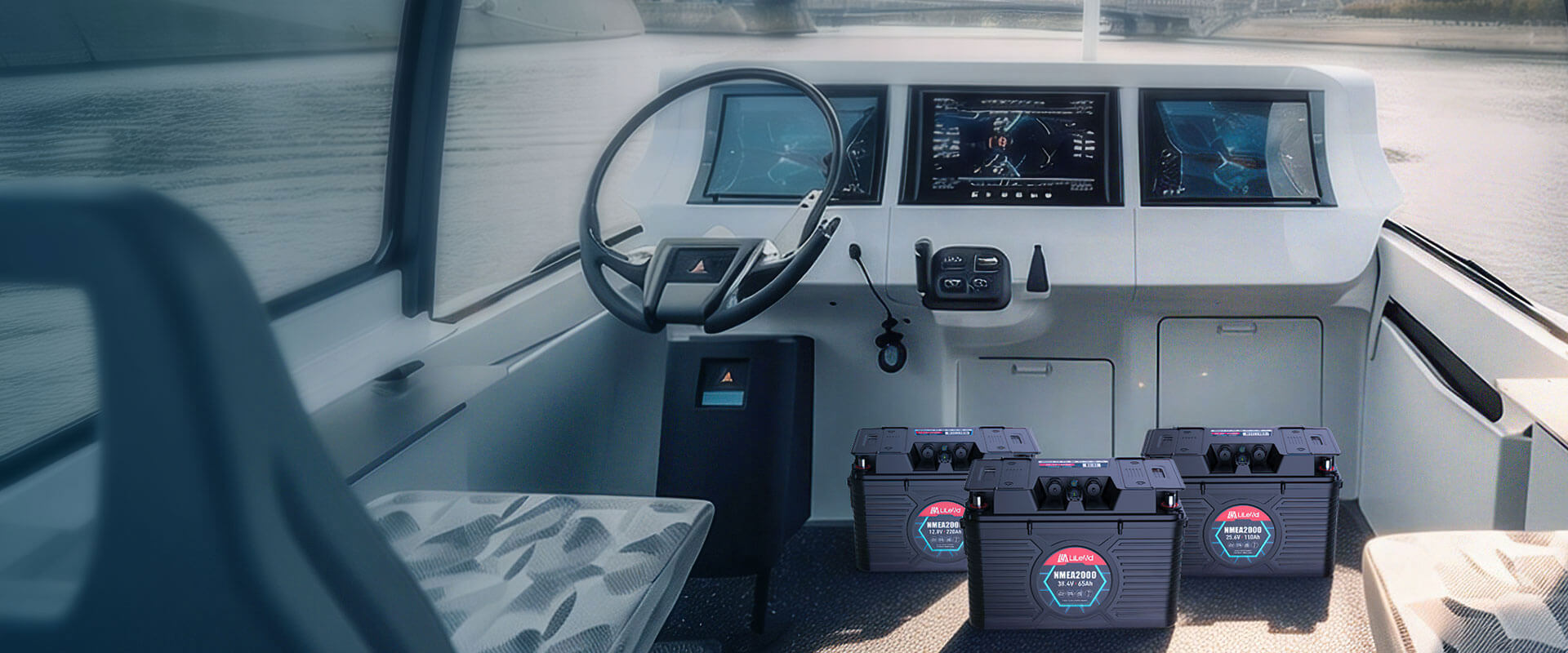
So what's the right way to handle a new battery?
First thing: charge it up before you hit the water.
A brand-new lead-acid battery that's been sitting on the shelf for two months is basically fully charged and ready to go. But if you just bought a new lithium battery — and hey, it's way lighter than lead-acid, so you're feeling pretty good about it — don't be surprised if you plug it straight into your gear and it underperforms. You're thinking, "Where's the long runtime they promised? This thing can't even keep up with my old lead-acid!"
Here's why: under IATA regulations, lithium batteries shipped by air must be strictly kept under 30% state of charge. For sea freight, battery manufacturers and local maritime authorities generally recommend keeping the charge between 20% and 50% during transport. So when your battery arrives, it's typically sitting somewhere between 30% and 50% — it's not fully charged.
So your first move with a new battery is to top it off using the right lithium battery charger. This isn't about "conditioning" the battery — it's about unleashing its full performance.

Second thing: charge and use whenever — just like your phone.
Lithium batteries come with a Battery Management System, or BMS. Under normal use, the BMS constantly monitors the voltage of every single cell. When the charge gets too low, the BMS just cuts the output, and the battery shuts down — you can't over-discharge it even if you try. Once it cuts off, just charge it the same day and you're good to go. And here's a key point: **after it shuts down, make sure to charge it that same day — don't leave it sitting around in a low-charge state for too long**, or you could damage the battery.
Just like your phone shutting off when it's dead — you can run it all the way down, or you can top it off whenever you want. No memory effect means you can charge and use at will, no second-guessing required.
Third thing: give it some exercise every 6 months.
Lithium iron phosphate batteries are much more forgiving — you can store them at half charge for 3 to 6 months without issue. But you can't just forget about them completely. I recommend giving them a full workout at least once every 6 months — drain it down and charge it back up — to keep the active materials inside healthy and prevent any permanent capacity loss.
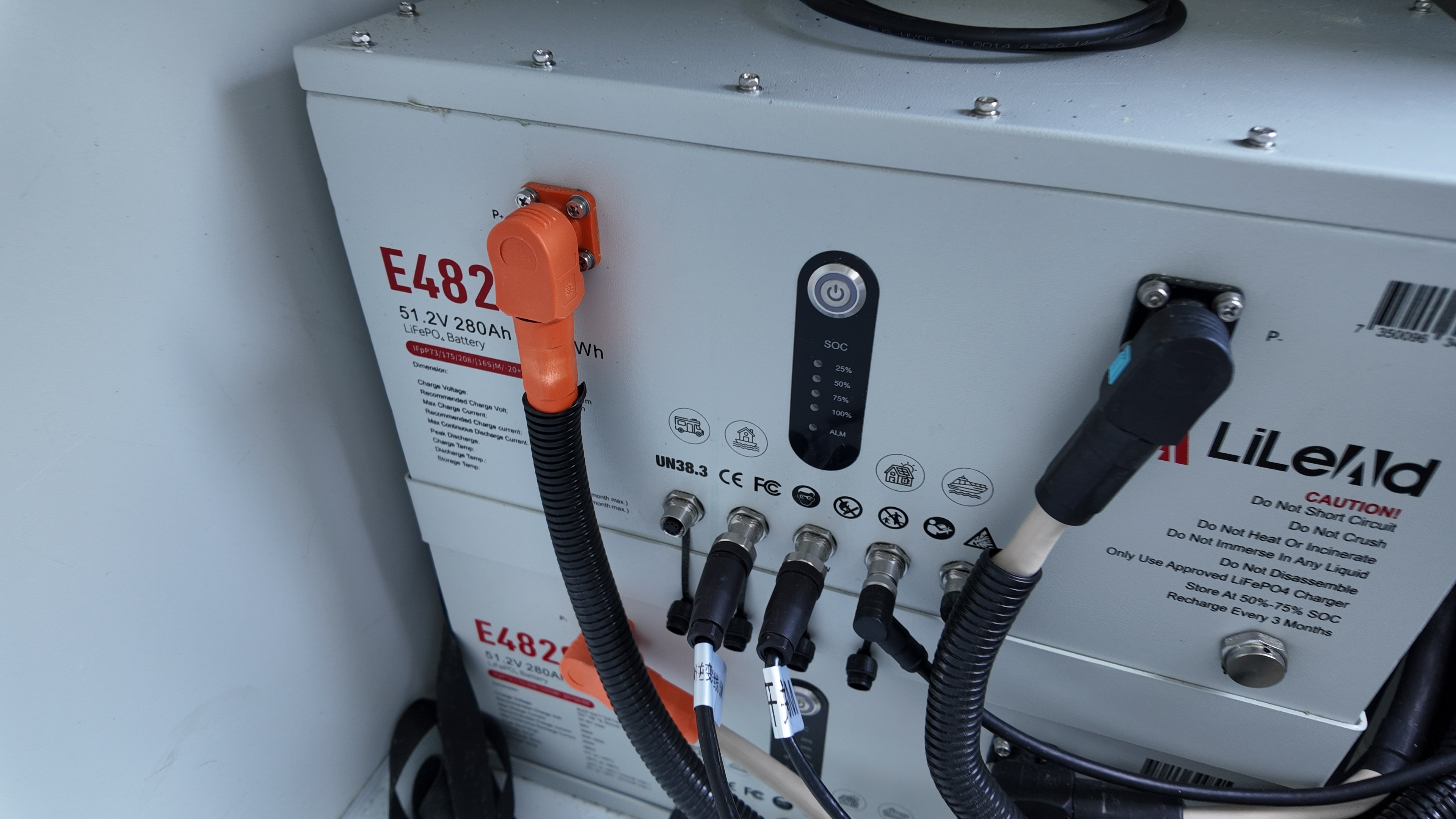
So here's the takeaway for marine lithium batteries: **let go of the "activation" myth, remember to charge it up before you use it, charge and use it like your phone, and don't forget to exercise it every six months.** LiFePO₄batteries have a cycle life of over 2,000 cycles. The best way to keep them healthy? Just use them regularly. In fact, plenty of our batteries from 2016 are still going strong today.